Bathroom Remodel Cost in the Twin Cities (2026): Real Price Breakdown
A full bathroom remodel in the Twin Cities typically runs $15,000–$30,000 in 2026, with cosmetic refreshes starting around $8,000 and high-end projects passing $60,000. This guide breaks down where the money goes, what moves the price most, and how to read a quote like a pro.
Search "bathroom remodel cost Twin Cities" and you'll get national averages that mean very little for your project. A bathroom in Ramsey doesn't cost what a bathroom in San Francisco costs — labor rates, material availability, and what's behind your walls are all local. Here's what bathrooms actually cost in Minneapolis–St. Paul in 2026, based on real Twin Cities projects.
The short answer
Most bathroom remodels in the Twin Cities fall into one of three bands:
- Cosmetic refresh — $8,000–$15,000. Keep the layout exactly as-is. New vanity, toilet, faucets, mirror, lighting, paint. Tile stays or gets refinished rather than replaced. No plumbing moves, no gut demolition.
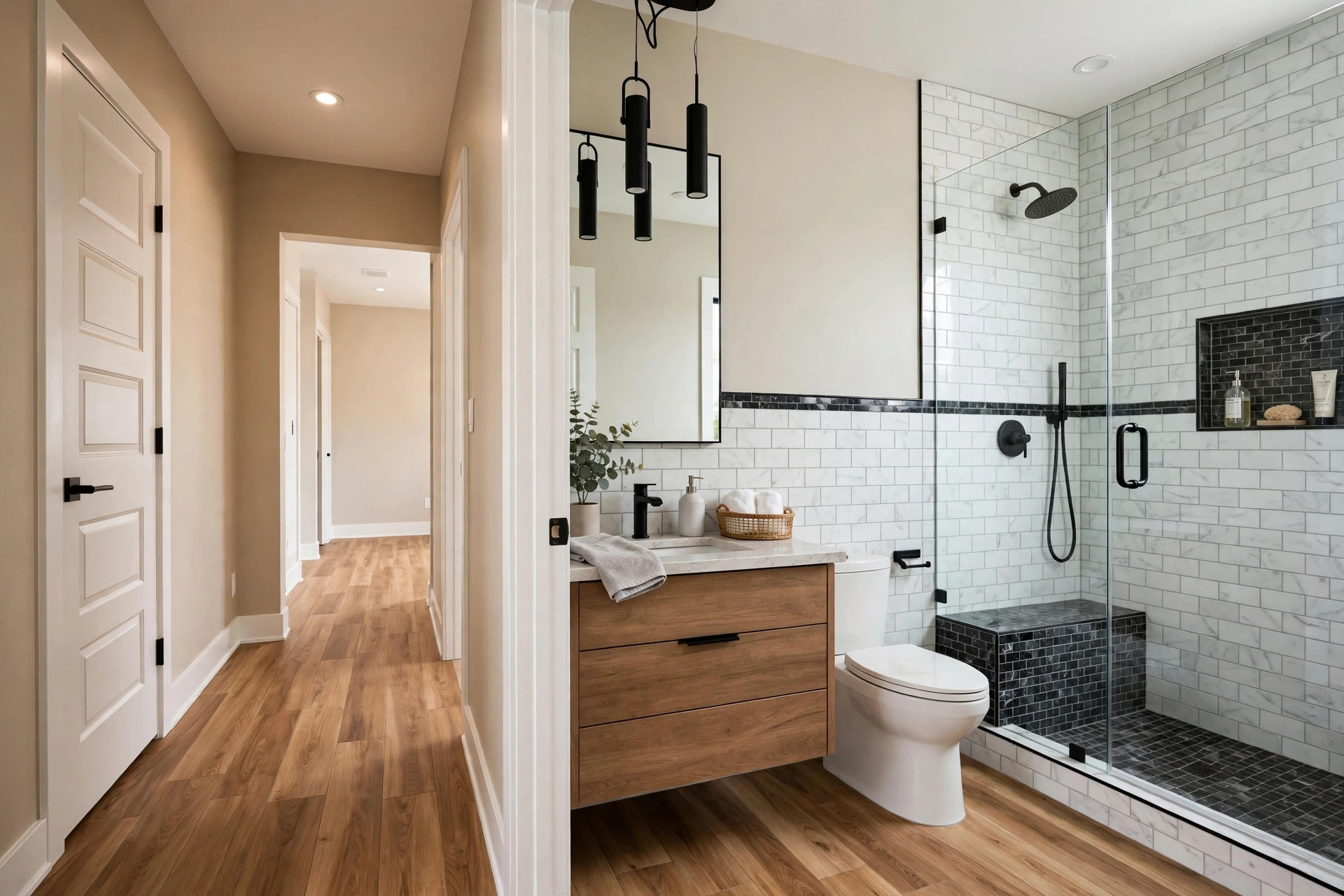
- Full mid-range remodel — $15,000–$30,000. Gut to the studs. New tile shower with proper waterproofing, new floor tile, new vanity and fixtures in their existing locations, updated electrical. This is where most Twin Cities projects land.
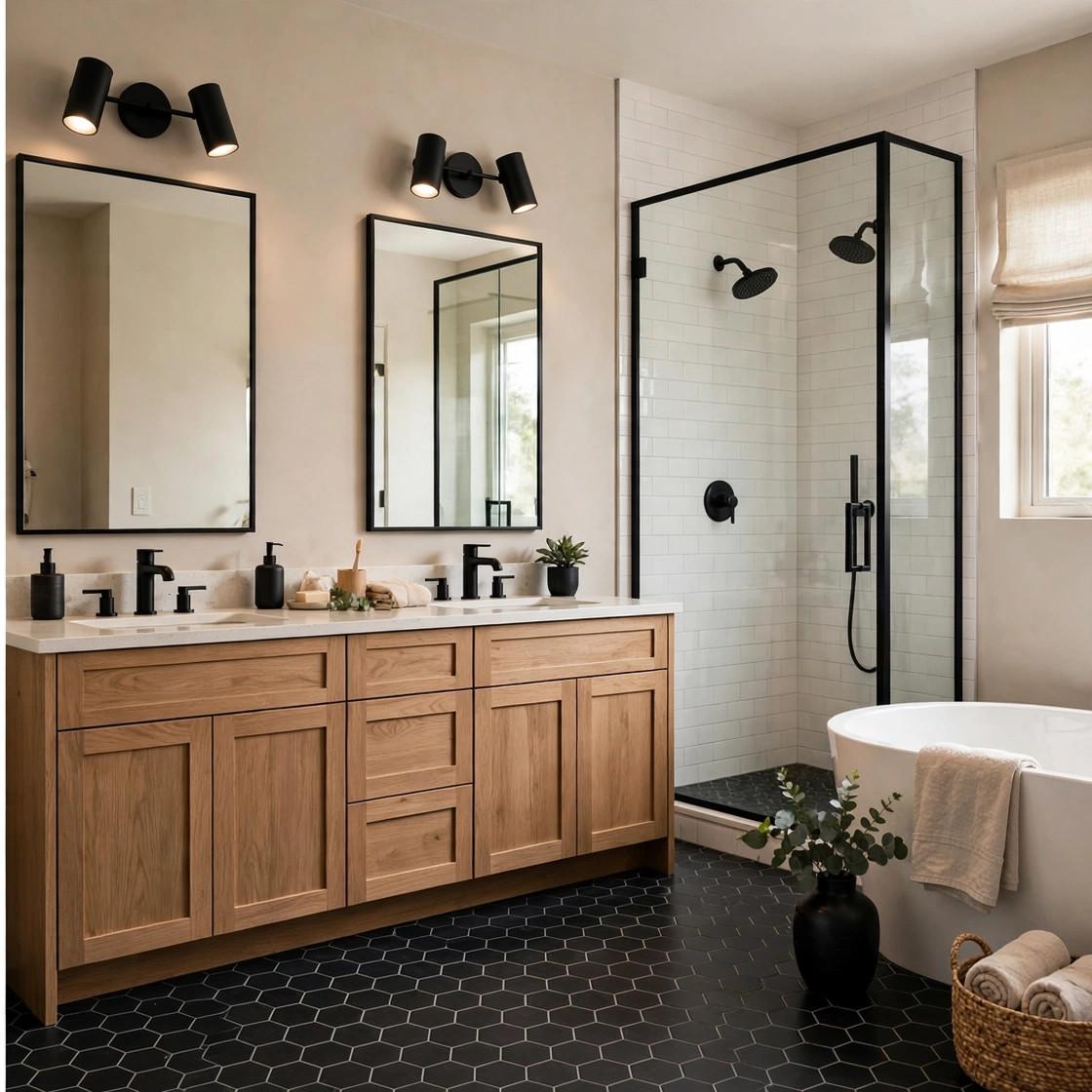
- High-end — $30,000–$60,000+. Custom tile shower with niche and bench, frameless glass, heated floor, premium fixtures, custom vanity. Larger bathrooms and complex layouts push past $60,000.
These are ballparks, not quotes. Two bathrooms the same size can land $10,000 apart depending on the four cost drivers below. Size matters, but condition matters more — a small bathroom with a rotted subfloor and old galvanized plumbing can cost more than a larger one that's straightforward.
Where the money goes: typical line items
A quote is much easier to read when you know what each piece usually costs. Typical Twin Cities ranges for a full remodel:
| Line item | Typical range |
|---|---|
| Demolition & disposal | $1,000–$2,500 |
| Plumbing (fixtures stay in place) | $2,000–$5,000 |
| Electrical (GFCI, lighting, exhaust fan) | $800–$2,500 |
| Tile + waterproofing (shower & floor) | $4,000–$12,000 |
| Vanity + countertop | $1,200–$4,500 |
| Toilet, faucets & accessories | $600–$2,000 |
| Frameless glass door/panel | $1,200–$3,500 |
| Paint, trim & finishing | $500–$1,500 |
Tile and waterproofing is usually the widest range on the list — it's skilled labor plus material, and the method matters as much as the tile you pick. A shower built over a properly waterproofed pan costs more than tile stuck to drywall, and it's the difference between a shower that lasts decades and one that leaks in five years. Note the plumbing line assumes nothing moves; relocating fixtures is a separate cost driver, covered below.
The 4 things that move the price most
1. Moving plumbing
Relocating a toilet, shower drain, or vanity means opening the floor, rerouting pipe, and sometimes dealing with joists or concrete. It's the fastest way to add thousands to a project. Keeping every fixture where it already is the single most effective cost control you have. A tub-to-shower conversion in the existing footprint, for example, costs far less than moving the drain across the room.
2. Tile size and format
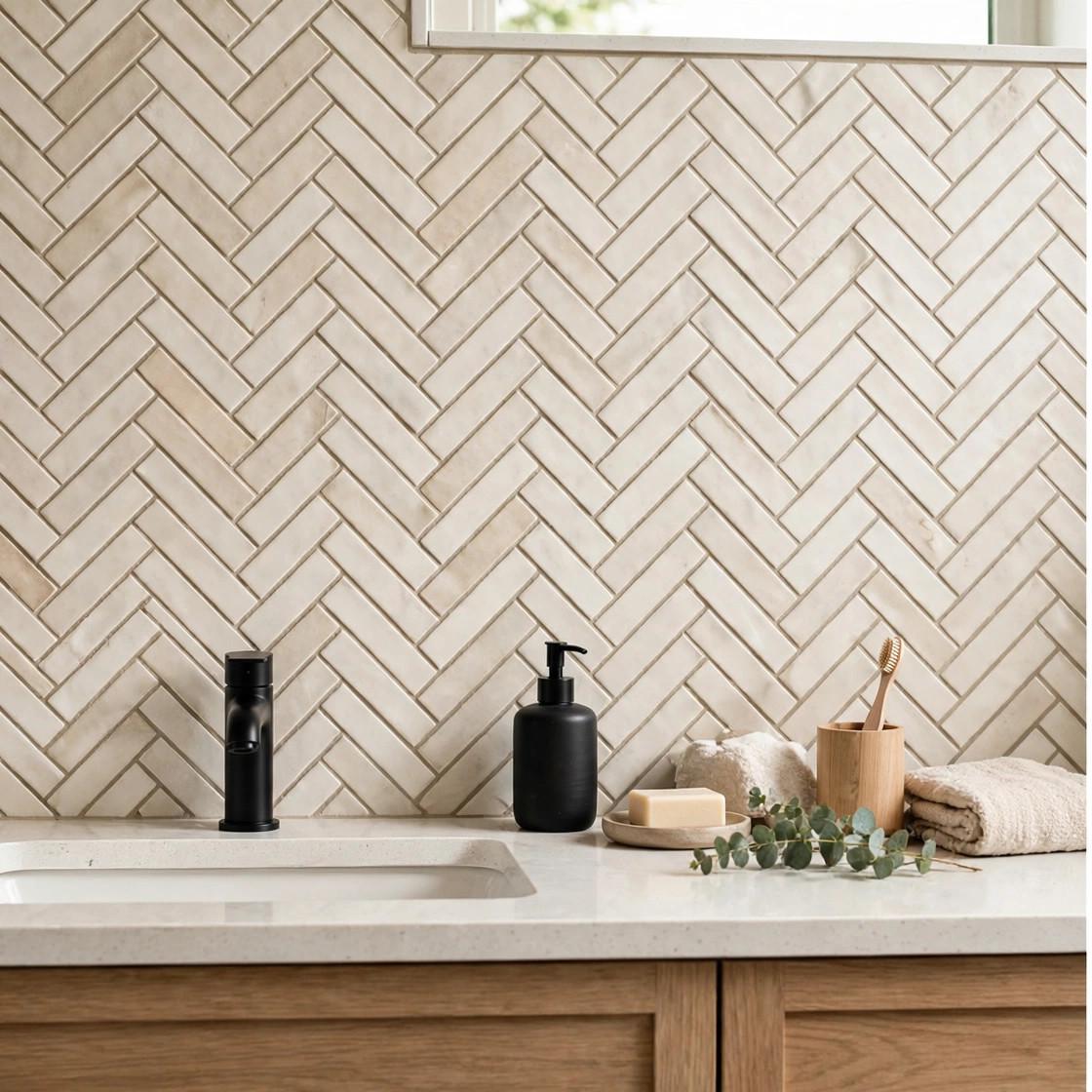
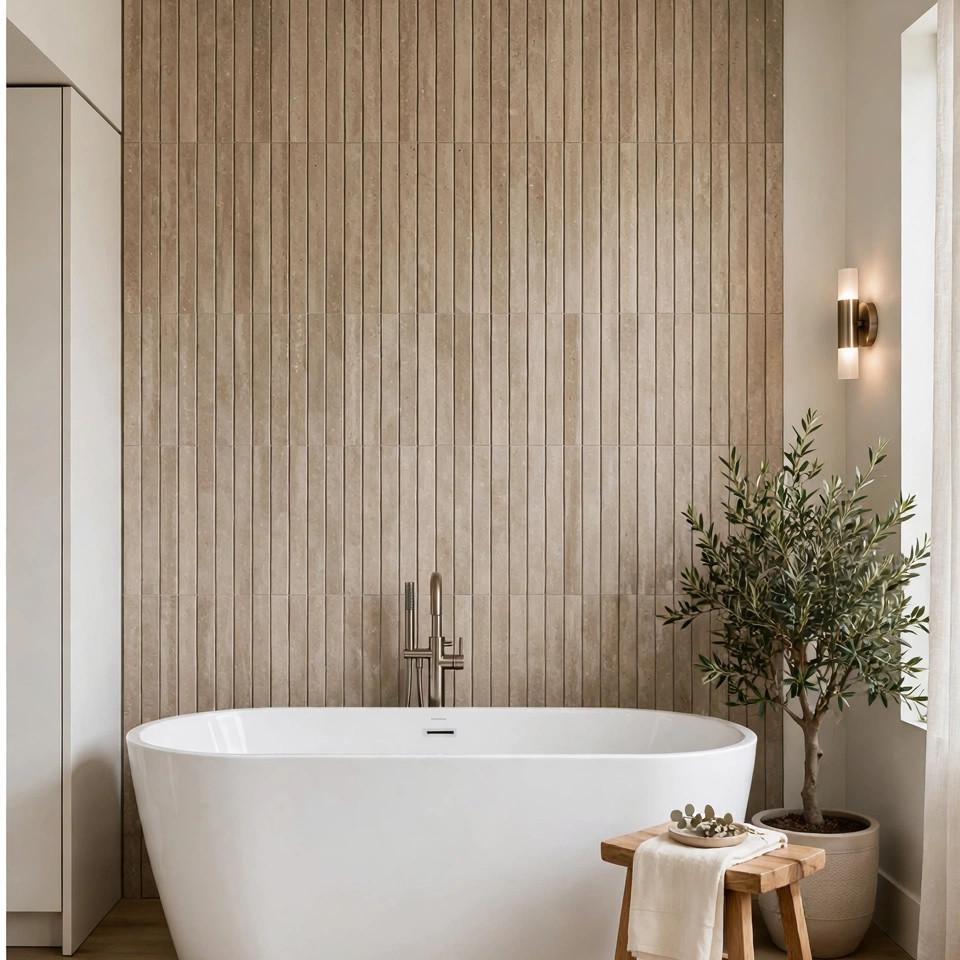
Large-format tile (24×48 and up) costs more to install than standard 12×24 — it demands a flatter substrate, leveling systems, and more skill to set without lippage. Mosaics, herringbone, and intricate patterns add labor hours. Most homeowners overestimate material cost and underestimate labor: with tile, labor is the driver, not the price per square foot at the store.
3. Waterproofing system quality
What you can't see decides how long the shower lasts. A full waterproofing system — membrane, sealed seams, a flood-tested pan — costs more than shortcuts, and it's the line item you should never cut to save money. Water damage repair costs many times what proper waterproofing does, and it usually shows up a few years later, when the installer is long gone.
4. Glass
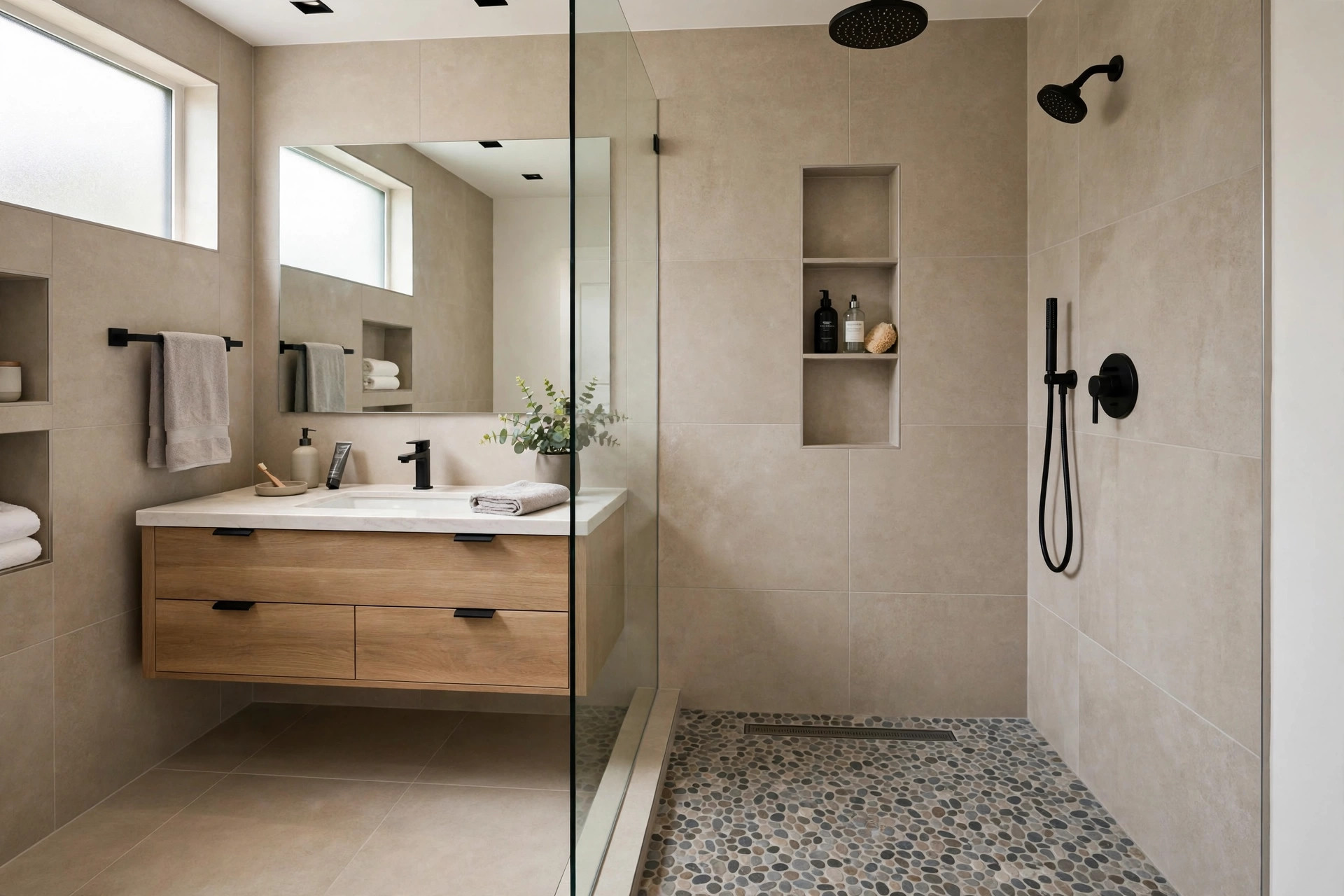
A frameless glass door or panel is often the most expensive single item in the bathroom: $1,200–$3,500+ installed, depending on size and hardware finish. A semi-frameless door — or even a quality shower curtain — changes the math completely. If you're weighing a walk-in shower against keeping the tub, glass cost belongs in the comparison.
Want a number for your specific bathroom instead of ranges? Request a free estimate — a few details and photos, and you'll get a real answer.
What a proper quote should include
A quote you can trust breaks the project into line items instead of one lump sum. It should spell out material allowances (what grade of tile, which fixtures), who's handling plumbing and electrical, the expected timeline, a payment schedule tied to milestones, how change orders are priced — and what's not included. Vague quotes aren't cheaper; they're just unfinished.
Red flags: a price given without anyone seeing the bathroom, a number far below every other bid, "we don't need a permit" for work that clearly needs one, no written scope, or full payment demanded up front. Any one of those is reason to keep looking.
Local note: Ramsey-area projects have their own permit and inspection rhythm — here's what Ramsey homeowners should know before starting.
The honest bottom line
Every bathroom is different: size, the condition of what's behind the walls, your material picks, and how far you move things around. The ranges in this guide are ballparks from Twin Cities projects — useful for budgeting, not for signing a contract. The only real number comes from someone standing in your bathroom, looking at the actual conditions.
Get a free estimate — send details and photos, no pressure, no obligation.
Thinking about this project?
Send us a few details and photos — we'll reply with a free, no-pressure estimate.
Common questions
What's the cheapest way to remodel a bathroom?
Keep the layout exactly as-is: no plumbing moves, no wall changes. Swap the vanity, toilet, faucets, mirror, and lighting; refinish instead of replacing where it makes sense; choose standard-size tile and a semi-frameless door or curtain instead of frameless glass. A cosmetic refresh like this typically runs $8,000–$15,000 in the Twin Cities.
How long does a bathroom remodel take?
A cosmetic refresh usually takes 1–2 weeks. A full gut-to-studs remodel typically takes 3–6 weeks, depending on scope, material lead times (custom glass and vanities are the usual bottlenecks), and inspection scheduling. Ask your contractor what the critical path is before work starts.
Does a bathroom remodel add home value?
It's one of the better-returning remodels, but rarely a 1:1 payback. Mid-range remodels tend to recoup a higher percentage than luxury ones. Don't remodel on resale math alone — do it for how you'll actually use the bathroom every day.
Why do quotes vary so much between contractors?
Because quotes often describe different projects. Differences hide in scope (what's actually included), material allowances, who does the plumbing and electrical, the waterproofing method, and overhead. Compare line items, not totals — two quotes $8,000 apart may not be pricing the same work.