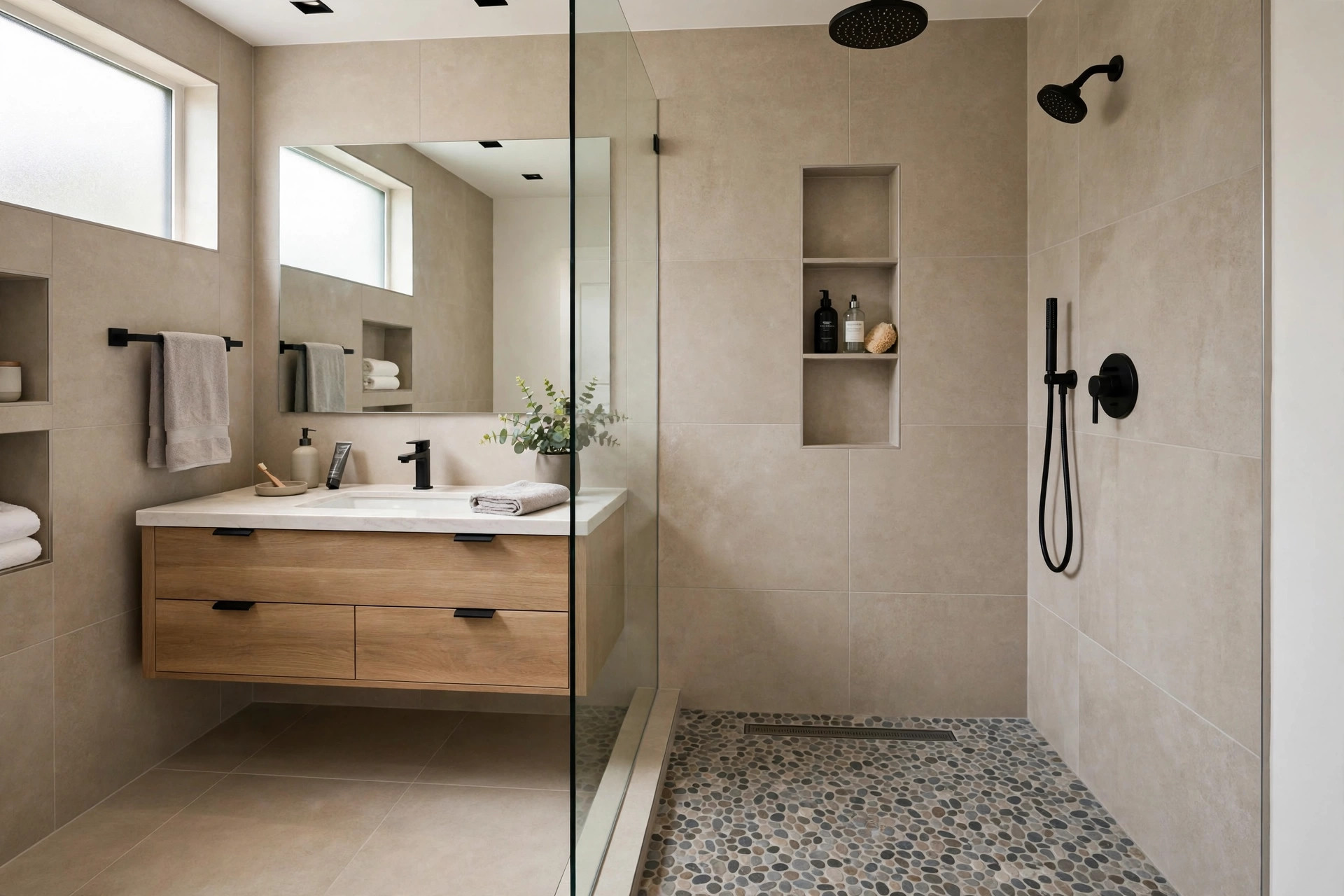
Tub-to-Shower Conversion Cost in Minnesota (2026)
A prefab insert conversion and a custom tile shower are two completely different projects with completely different price tags. Here are the real numbers for Minnesota — and what each option actually includes.
The short answer
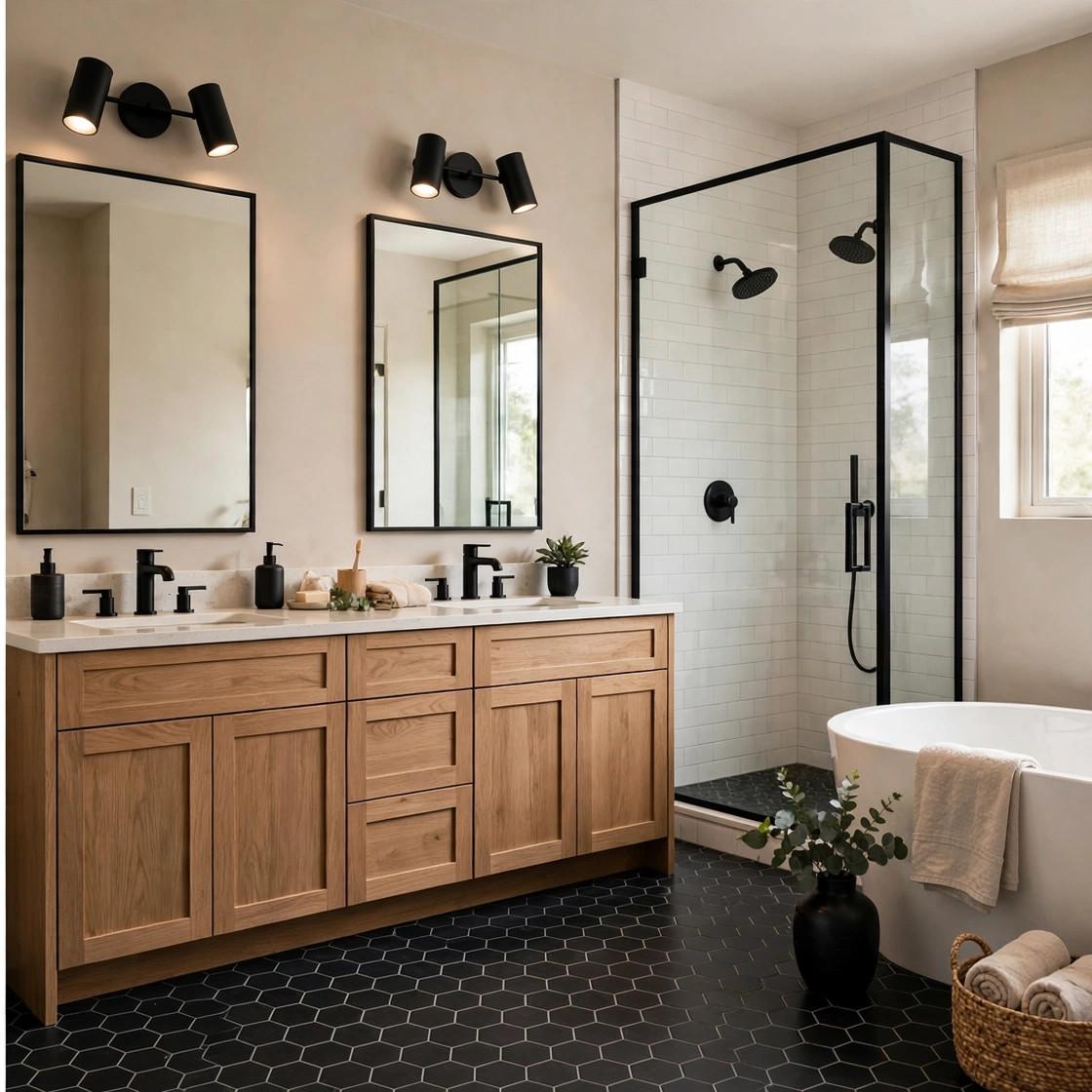
A tub-to-shower conversion in Minnesota typically runs $4,000–$8,000 for a prefab or acrylic insert and $8,000–$18,000+ for a custom tile shower. Those are ballpark ranges, not quotes. The three things that move the final number most are the drain location, the condition of what's hiding under the tub, and the glass you choose. For the full picture on a complete bathroom, see our Twin Cities bathroom remodel cost breakdown.
Prefab vs. custom tile: side by side
| Prefab / acrylic insert | Custom tile shower | |
|---|---|---|
| Typical cost | $4,000–$8,000 | $8,000–$18,000+ |
| Timeline | 2–4 days | 1–2 weeks |
| Waterproofing | Factory-molded shell; the seams, caulk lines and drain connection are the weak points | Membrane system over walls and pan, then flood-tested before a single tile goes down |
| Durability | 10–20 years; acrylic can yellow, flex or crack around the drain | 25+ years when the waterproofing is done right — the tile is the finish, the membrane is the shower |
| Look and layout | Fixed sizes and colors; you adapt your bathroom to the unit | Any size, any tile, curbless and bench options |
| Best for | Rentals, tight budgets, fast turnarounds | Forever homes, accessible design, odd layouts, higher-end resale |
What's actually involved
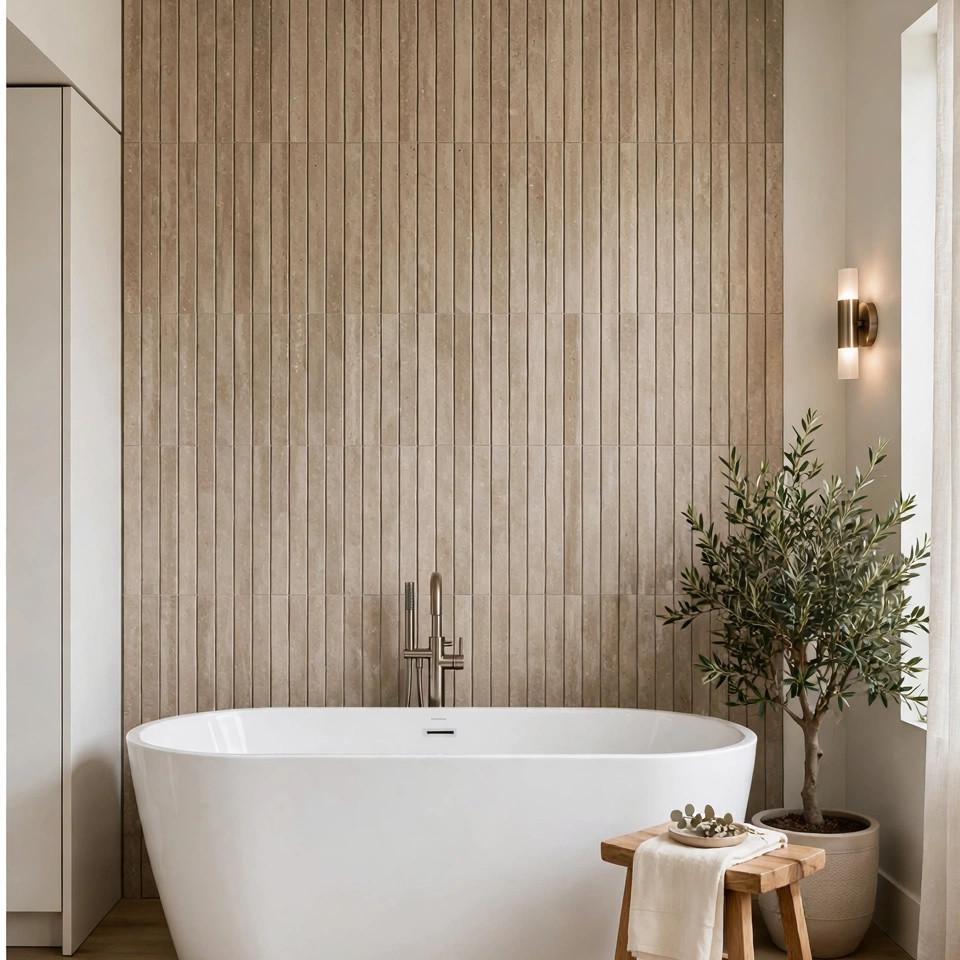
A conversion is more than pulling a tub and dropping in a pan. Here's the work, in order:
1. Demo and disposal
The tub comes out — cast iron tubs are heavy and usually get broken up on site — along with the surround, and often the drywall behind it. Budget for a dumpster or haul-away; a tub's worth of debris fills a truck bed fast.
2. Drain relocation
This is the step quotes underestimate most. A tub drain sits near one end, under the tub. A shower drain sits centered (or linear, along one wall). Moving it means opening the subfloor and re-running pipe to the new position, then tying back into the existing line. If the bathroom is on a slab, that means cutting concrete — slower and more expensive than a wood subfloor.
3. Valve and supply lines
Once the wall is open, the shower valve gets replaced. Most Minnesota jurisdictions expect a pressure-balancing or thermostatic anti-scald valve when the wall is opened up. It's also the cheapest time to replace old galvanized or corroded supply lines — doing it later means opening the finished wall again.
4. Waterproofing the walls and the pan
This is the part you never see and the part that matters most. A proper tile shower gets a continuous waterproof membrane over the walls and the pan, with sealed corners and a flood test before tile starts. Skipping or rushing this step is how you get a shower leaking through the grout two years later. Grout is not waterproof — the membrane underneath is.
5. Tile, fixtures and glass
Tile and setting materials, then the trim: valve trim, shower head, grab bars or niche if planned, and the glass enclosure. Glass is a bigger cost swing than most people expect — a basic framed door is a few hundred dollars, a frameless custom panel setup can run $800–$2,500+.
Hidden costs people miss
- Rot under the old tub. Tubs leak slowly for years. When the tub comes out, soft or rotted subfloor underneath is one of the most common surprises — and it has to be repaired before anything goes back in.
- Plumbing brought up to current code. Opening walls is the moment inspectors and good practice converge: old valves, undersized lines and missing shutoffs get fixed now or never.
- The glass door. Rarely included in the base quote, often $800–$2,500+ for frameless.
- Floor patching. The new shower footprint almost never matches the old tub exactly. The surrounding floor — tile or otherwise — needs patching or partial replacement to meet the new edge cleanly.
How long does it take?
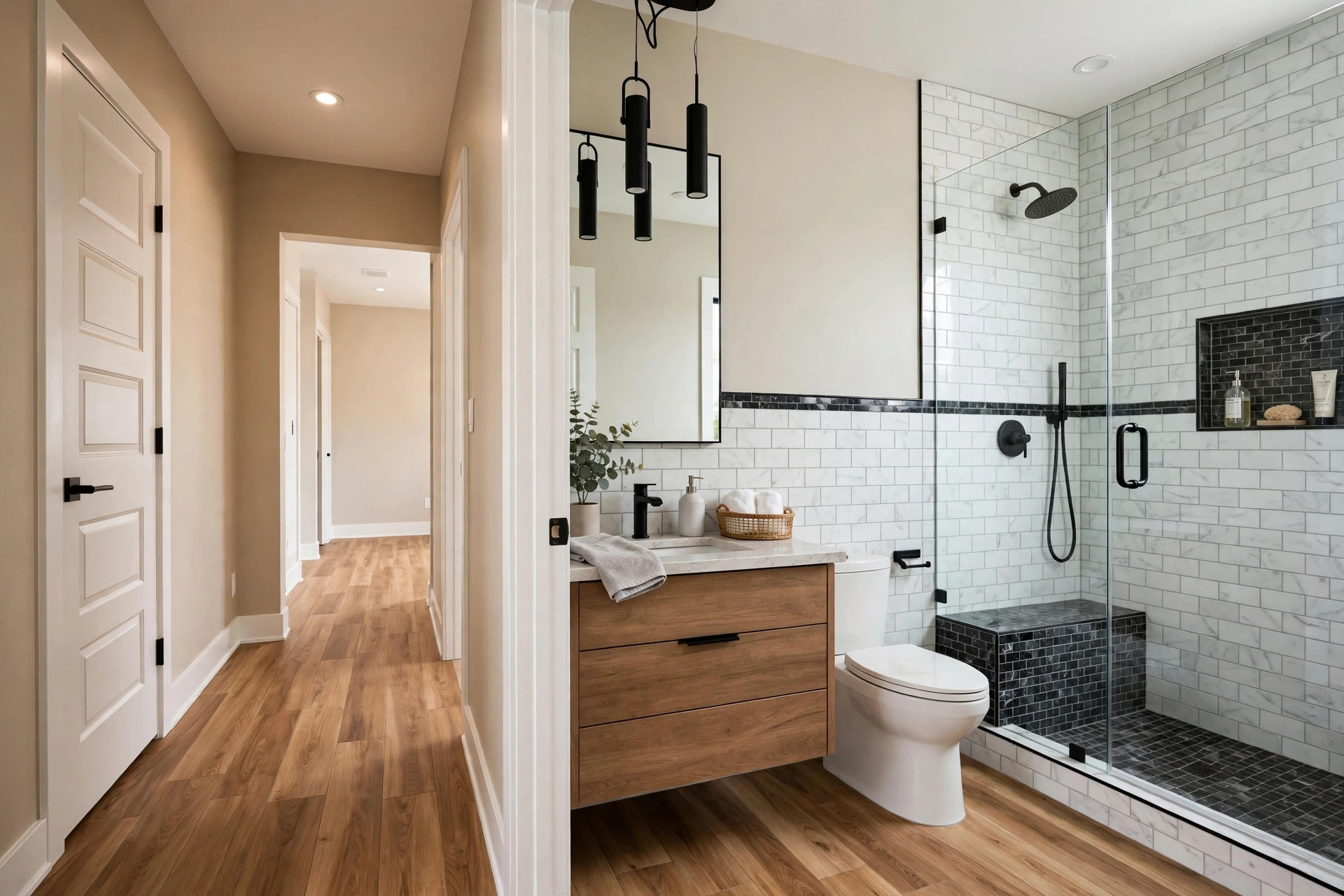
A prefab insert conversion typically takes 2–4 working days: demo, set the unit, connect plumbing, trim out. A custom tile shower typically takes 1–2 weeks — waterproofing needs cure time, tile is set in stages, and grout needs to cure before the shower gets used. Anyone promising a full custom tile conversion in two days is skipping steps you can't see.
When prefab makes sense — and when tile is worth it
Prefab makes sense for a rental unit, a basement bath you barely use, a tight budget, or when you need the bathroom back by Friday. It's a legitimate product; it just has limits.
Custom tile is worth it when this is your home for the next decade: you get the exact size, a curbless entry if anyone in the house has mobility concerns, a built-in bench or niche, and a shower that adds real resale appeal in the Twin Cities market. If you're still deciding between shower styles, our walk-in shower vs. tub comparison covers the daily-life tradeoffs.
The cheapest conversion is the one you only do once. Most of the cost difference between a $9,000 tile shower and a $16,000 one is glass, tile selection and layout complexity — not the waterproofing. Never cut the part you can't see.
Thinking about this project?
Send us a few details and photos — we'll reply with a free, no-pressure estimate.
Common questions
Can the drain stay where it is?
Sometimes. If the new shower base happens to align with the old tub drain location, it can stay — but that's rare, because tub drains sit near one end and shower drains sit centered or along a wall. Moving the drain means opening the subfloor, which is straightforward on a wood subfloor and slower on a concrete slab. Your installer should confirm the plan before demo day, not during it.
How long does a tub-to-shower conversion take?
A prefab insert conversion usually takes 2–4 working days. A custom tile shower usually takes 1–2 weeks, because waterproofing needs cure time and tile goes in stages. Add time if the subfloor needs repair or the drain has to move through concrete.
Is a prefab shower waterproof enough?
The acrylic shell itself is waterproof — failures happen at the seams, the caulk lines and the drain connection, which is why the install quality matters more than the unit. A custom tile shower relies on a membrane system behind the tile instead; when it's flood-tested before tiling, it's the most reliable waterproofing you can get.
Will a tub-to-shower conversion add home value?
Usually yes, if it's done well — updated showers photograph better and appeal to most buyers. One caution: if it's the only tub in the house, removing it can narrow your buyer pool slightly, since families with small children often want at least one tub. In a two-bath home, converting the secondary bath is the sweet spot.