Shower Waterproofing Membranes: Types, Cost per Sq Ft & What Actually Prevents Leaks (2026)
There is a layer in your shower you will never see — and it is the only thing standing between your daily routine and rotted framing, black mold, and a five-figure repair. Here is what it is, what it costs, and how to make sure yours works.
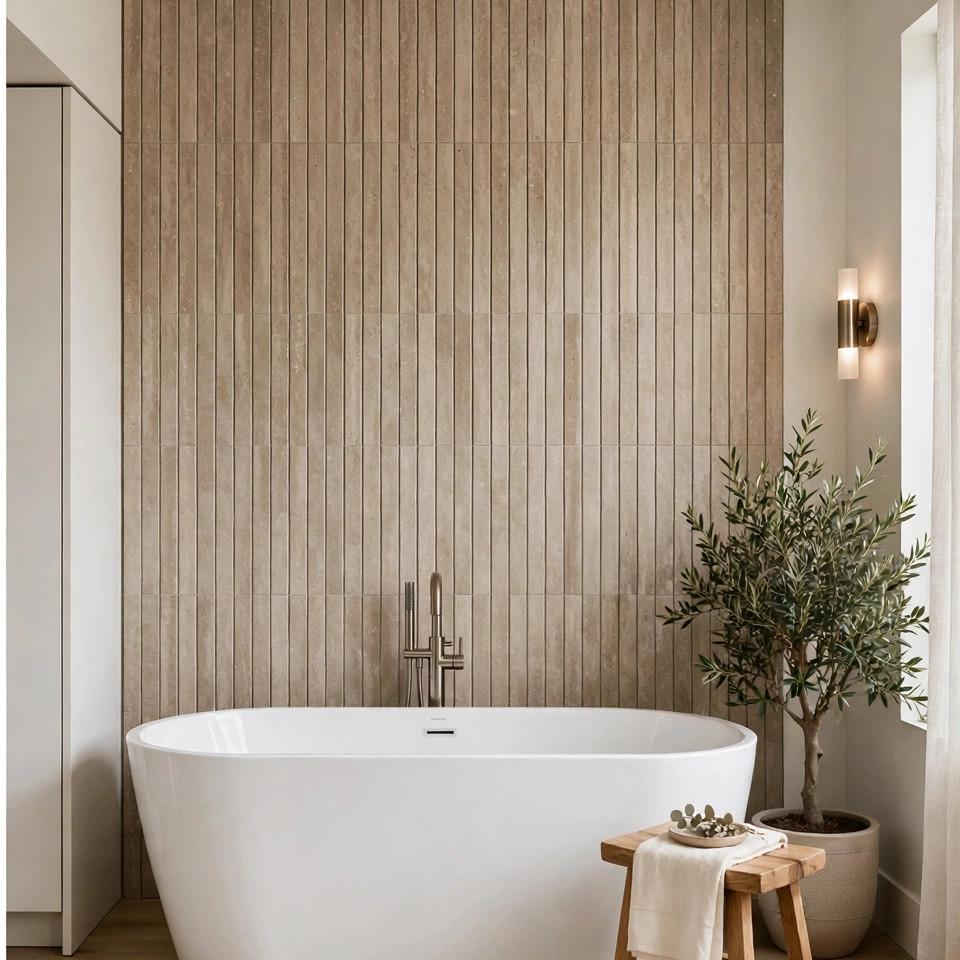
The truth most homeowners never hear until something goes wrong: grout is not waterproof. Water passes through grout every shower — that is normal. What keeps it out of your studs and subfloor is the waterproofing membrane, installed before tile. When a shower leaks into a wall, the membrane is what failed.
Seeing warning signs now — stains below, musty smell, loose tiles? Read what to do when a shower leaks through grout first. This guide covers the layer itself: the four types, honest 2026 costs per square foot, where each belongs, and how a pro chooses.
What a waterproofing membrane actually does
Your shower wall has two jobs. Tile and grout are the wear surface; the membrane is the water barrier — a continuous waterproof skin over walls, floor, corners, niche, and drain. One rule: one gap anywhere and water finds it. That is why detailing — corners, seams, penetrations — matters more than the brand on the bucket.
Every legitimate membrane meets the same baseline standard (ANSI A118.10). Products differ in application, cure time, thickness control, and vapor blocking — which matters enormously for steam showers.
The 4 types, with honest 2026 costs
All prices below are material only, verified at major US retailers in October 2026. Labor is separate — and the bigger number: a typical shower's waterproofing materials run $200–$600.
1. Liquid-applied membranes (RedGard, Laticrete Hydro Ban, Mapei Mapelastic AquaDefense)
The most common type in residential work: it goes on like thick paint — roller or brush, two coats — over cement board or a mortar bed.
- RedGard: ~$2.10/sq ft — a 3.5-gallon bucket is about $184 at Home Depot, covering roughly 88 sq ft at two coats.
- Laticrete Hydro Ban: ~$2.10–$2.30/sq ft — about $105–$115 per gallon (~50 sq ft at two coats), flood-testable ~2 hours after the final coat.
- Mapei Mapelastic AquaDefense: ~$1.10–$1.60/sq ft — the budget liquid that still meets the standard.
Best for: shower walls, tub surrounds, floors. Strengths: cheapest, forgiving, easy around niches and pipes. Weakness: thickness depends on the applicator — too thin, it fails.
Choosing between the two most popular liquids and the big sheet system? See our head-to-head: RedGard vs Kerdi vs Hydro Ban.
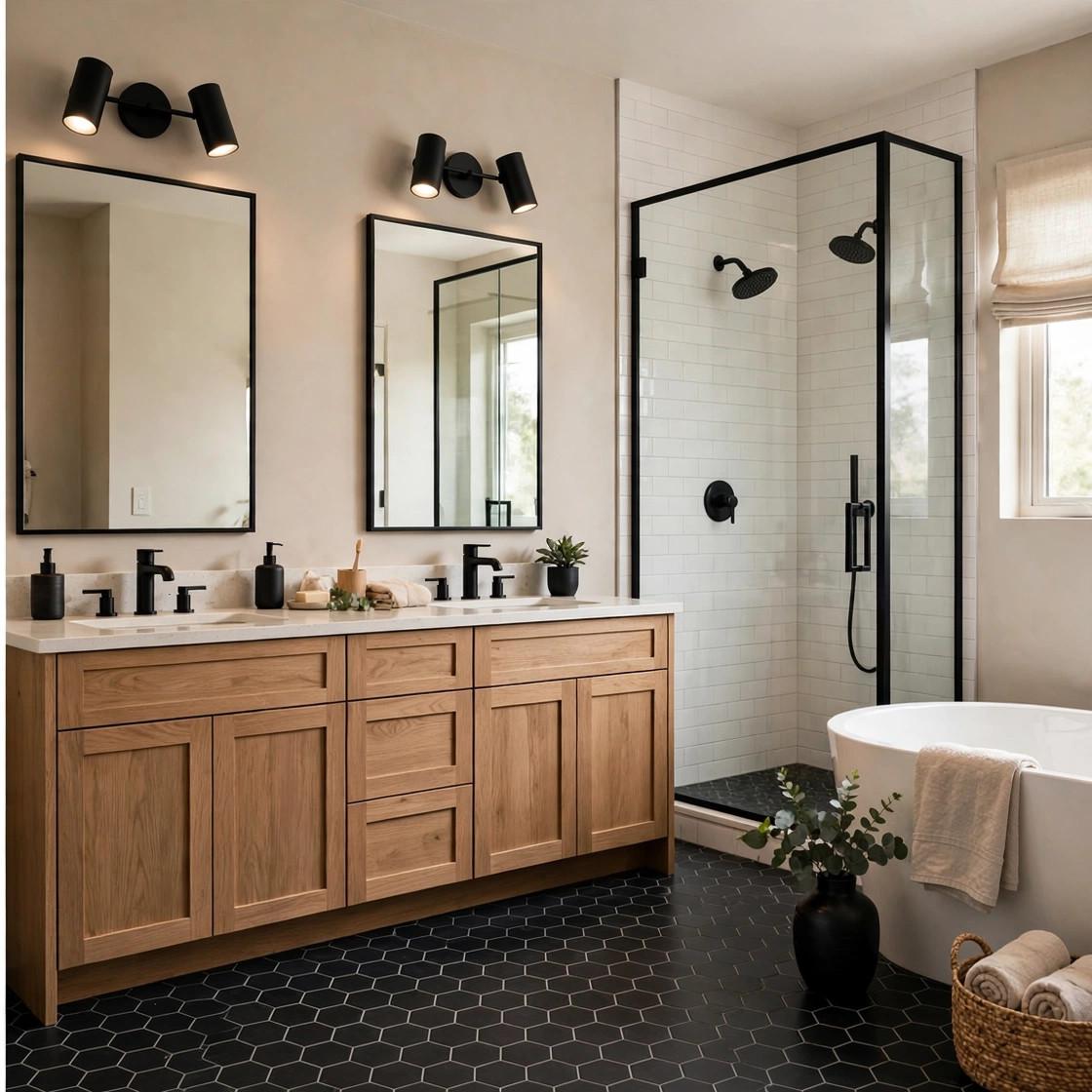
2. Sheet membranes (Schluter-Kerdi, NobleSeal TS)
Factory-made polyethylene sheets bonded with thinset. The advantage is uniform thickness — the sheet is the same 8 mils everywhere, no guessing whether the second coat was thick enough.
- Schluter Kerdi: ~$2.30–$2.55/sq ft — a 54 sq ft roll is about $125–$140, plus ~$1/sq ft for band, corners, and drain.
- NobleSeal TS: ~$2.30–$2.90/sq ft. The long-standing industry standard for bonded sheet waterproofing.
Best for: showers — and critically, steam showers. Kerdi and NobleSeal TS are vapor-tight; most liquid membranes are not rated for steam. Strengths: consistent thickness, purpose-built components. Weakness: pricier, fussier install.
3. Foam backer boards (Schluter Kerdi-Board, Wedi, GoBoard)
The wall board is the waterproofing. Hang the panels, seal the seams and screw holes, and the wall is waterproof before tile goes on. A 3'×5' panel weighs about 7 pounds — versus 40+ for cement board.
- GoBoard (Johns Manville): ~$1.60–$2.50/sq ft — the best value; seal the seams and tile the same day.
- Wedi: ~$3.50–$4/sq ft — the original foam board, trusted by pros for decades.
- Schluter Kerdi-Board: ~$3–$4/sq ft. Roughly $70–$110 per panel depending on size.
Best for: shower walls, tub surrounds, benches, niches. Strengths: fastest install, no separate membrane step on walls. Weakness: the shower floor still needs its own waterproofing.
4. Peel-and-stick membranes
Self-adhering sheets — no roller or thinset. Mostly a specialty product for crack isolation on floors, curb tops, and transitions rather than full shower systems. Roughly $2–$3/sq ft.
Where each one belongs
- Shower walls: any of the first three. Liquid on cement board is the budget standard; foam board is the fast upgrade.
- Shower floor / pan: liquid over a sloped mortar bed, or sheet membrane over a foam tray. Never foam wall board alone on a floor.
- Steam shower: sheet membrane (Kerdi or NobleSeal TS). Vapor-tight is non-negotiable.
- Tub surround: liquid membrane or foam board. The simplest wet zone — but it still gets soaked daily.
For curbless showers, waterproofing must extend past the shower footprint — see our walk-in shower vs. tub comparison.
How a pro actually chooses
- Steam shower? Sheet membrane. End of discussion.
- Standard shower, budget matters? Liquid membrane (RedGard or AquaDefense) on cement board at full specified thickness — then flood-tested. The material is cheap; the discipline is what you pay for.
- Want speed? Foam board walls (GoBoard for value) with liquid or sheet on the pan.
- Whatever you choose: insist on a flood test before tile. Plug the drain, two inches of water, mark the level, check in 24 hours. No drop means proven.
Converting a tub to a shower? The entire wet zone gets re-waterproofed from scratch — see our tub-to-shower conversion costs in Minnesota.
Red flags in a contractor's quote
- "We use moisture-resistant drywall, it's fine." Green board is not a shower substrate. Full stop.
- No membrane brand or system named. "We waterproof it" without saying how means there is no system.
- No flood test mentioned. If testing the pan is not in the plan, the waterproofing is not verifiable.
- Tiling directly over plain cement board or drywall in a wet area. Cement board is not waterproof — it is just a surface to apply waterproofing to.
Waterproofing is the wrong place to value-engineer: a few hundred dollars of material protecting tens of thousands in tile and framing — and the one part you cannot inspect once tile is on. Our Twin Cities bathroom remodel cost breakdown lays out every line item, and our cost calculator turns them into a ballpark for your own bathroom.
Getting quotes and want a second opinion on the waterproofing spec — or suspect yours has failed? Send us a few details and photos. We will tell you straight, with a free estimate either way. We install bathrooms, tile, and flooring every week across Ramsey and the Twin Cities. Our shower remodel service builds every shower that way — membrane named in the quote, pan flood-tested before tile.
Thinking about this project?
Send us a few details and photos — we'll reply with a free, no-pressure estimate.
Common questions
Can I waterproof over existing tile instead of tearing it out?
No — not as a real system. Membranes go under the tile, on the substrate. Anything painted over existing tile is a surface coating, not a waterproofing assembly, and it will not protect what is already behind the tile. If the shower is leaking, the fix is behind the tile, which means the tile comes off. Our guide on diagnosing a shower leak explains how to tell.
Is RedGard enough for a steam shower?
No. RedGard is a water barrier, not a vapor barrier, and it is not rated for steam showers. Steam needs a vapor-tight sheet membrane like Schluter-Kerdi or NobleSeal TS, with all seams, corners, and penetrations sealed per the manufacturer's system.
How long does shower waterproofing last?
Decades, when installed correctly — membranes fail from bad installation (too thin, missed corners, no flood test), not from age. That is why the installer's process matters more than the brand on the bucket.
Does a tub surround really need waterproofing?
Yes. The walls around a tub get soaked every day, and tile plus grout alone will not stop water from reaching the substrate. A liquid membrane or foam board on a tub surround is cheap insurance.
What is the cheapest reliable waterproofing option?
A liquid membrane applied at full specified thickness — the material itself is the cheapest part of any system at roughly $1–$2.30 per square foot. Never economize by skipping the membrane or thinning the coats; economize on the finish tile instead.