Walk-In Shower vs. Tub: An Honest Comparison for Your Remodel
Almost every bathroom remodel in the Twin Cities starts with the same question: keep the tub or go with a walk-in shower? Here is the straight answer, based on what we see in real homes every week.
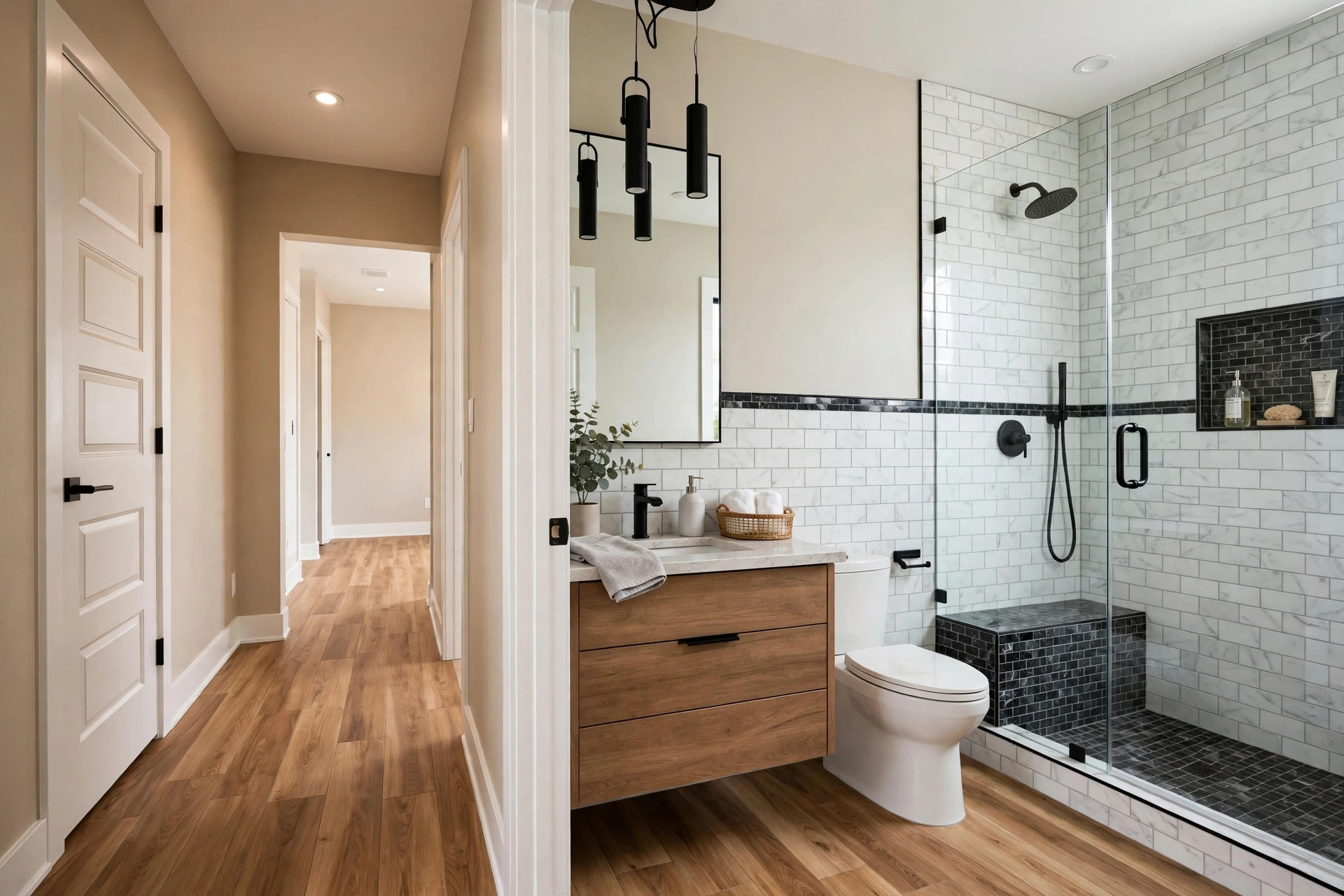
A walk-in shower looks modern in photos. A tub feels practical for families. Both are valid — but they solve different problems, and the wrong choice is expensive to undo once the tile is set. Below is how the two options compare on the factors that actually matter: cost, resale, daily life, maintenance, and space.
The quick comparison
| Factor | Walk-in shower | Tub (keep or replace) |
|---|---|---|
| Typical cost | Higher — a custom tile shower usually runs $8,000–$18,000+ depending on size, tile and plumbing changes | Lower — swapping a tub for a similar one is one of the cheapest parts of a remodel |
| Space needed | Works well in small bathrooms; a 36" x 36" footprint is enough | Standard tubs need 60" x 30"; awkward in tight layouts |
| Install time | Longer — waterproofing, tile and grout take several days | Faster — a tub swap can be done in a day or two |
| Maintenance | Grout lines need sealing; glass doors need regular squeegeeing | Acrylic tubs wipe clean; fewer grout lines to maintain |
| Accessibility | Curbless designs are the best option for aging in place | Stepping over a 14"+ wall gets harder with age or injury |
| Resale | Buyers love them — as a second bathroom feature | Families with small kids actively look for at least one tub |
Ballpark ranges for the Twin Cities market; every project varies with tile choice, plumbing work and layout changes. See our full bathroom remodel cost breakdown for the line items.
Cost: the shower usually costs more
This surprises some homeowners. A walk-in shower is not just "removing the tub" — it is a full waterproofing system (pan or membrane, wall boards, niche), plus tile on every surface, plus often a glass door or panel. A custom tile shower is skilled labor across several days.
Replacing a tub with a new tub, by contrast, is mostly a swap: the plumbing is already there, the footprint is the same, and an acrylic unit goes in fast. If budget is the deciding factor, keeping a tub layout is almost always the cheaper path. If you are specifically converting a tub to a shower, the detailed numbers are in our tub-to-shower conversion cost guide for Minnesota.
Resale: keep at least one tub in the house
Here is the honest advice we give every client: if this is the only full bathroom in the house, think twice before removing the tub. Families with small children filter home searches for at least one bathtub, and appraisers and realtors in the Twin Cities will tell you the same — a house with zero tubs narrows your buyer pool.
That said, in a house with two or more full baths, converting one tub to a walk-in shower is rarely a problem and often a selling point. The rule of thumb: one tub for the household, showers everywhere else is fine.
Daily life and aging
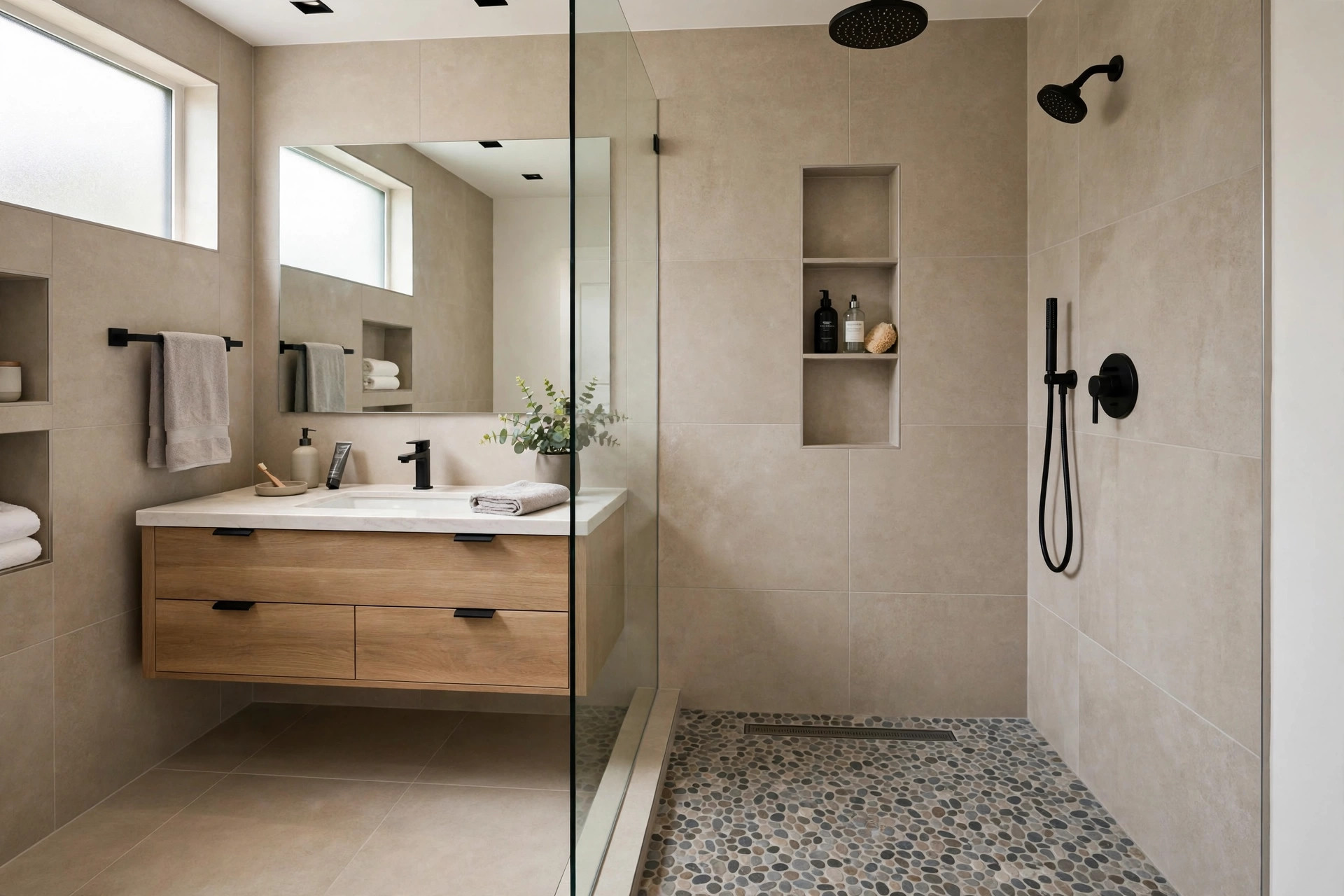
Be honest about how you actually live. If nobody has taken a bath in two years, you are maintaining 60 inches of tub for nostalgia. A curbless walk-in shower — no step, linear drain, bench optional — is the single best bathroom upgrade for aging in place, and it is also just easier to clean: no tub walls to scrub around, no caulk joint failing where the tub meets the tile.
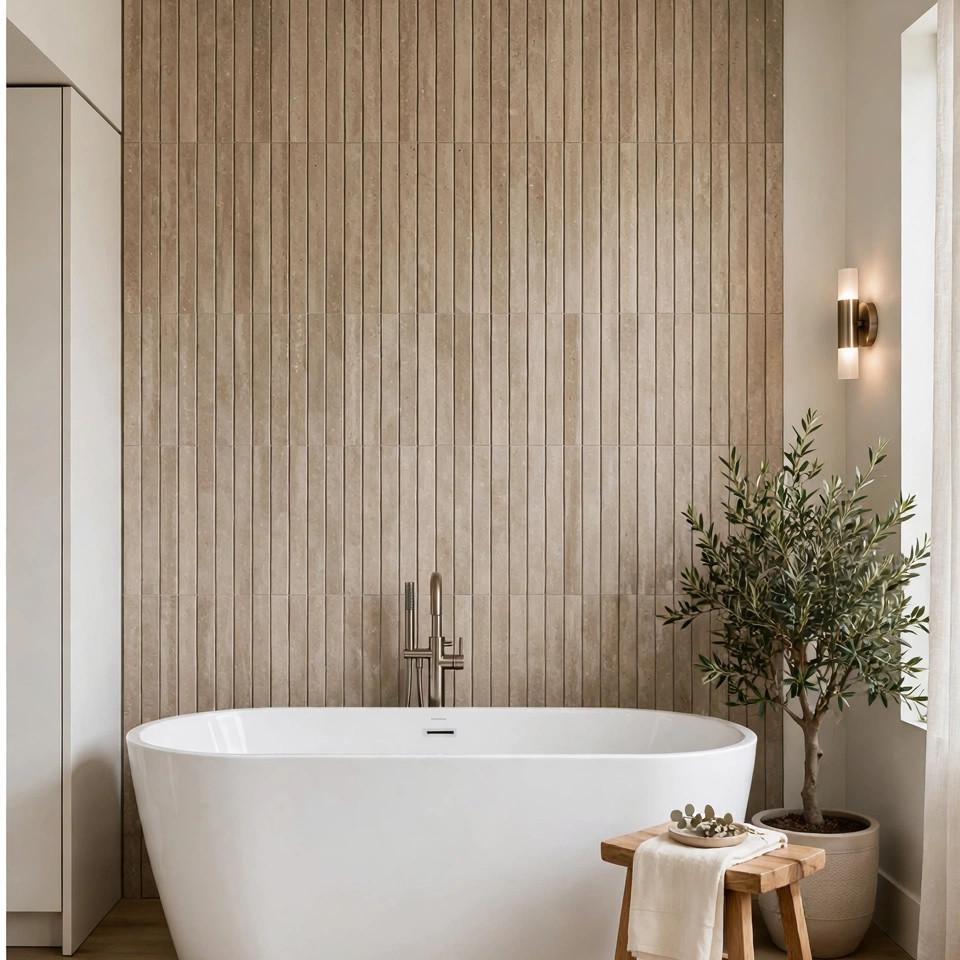
Tubs win in exactly two scenarios: small children (bath time is non-negotiable) and people who genuinely take baths to unwind. Everything else is a shower household pretending otherwise.
Maintenance: grout vs. acrylic
A tile shower means grout lines, and grout lines mean maintenance: sealing once a year, and re-caulking corners when the silicone ages. Glass doors look great but demand squeegee discipline — hard water in Minnesota etches glass permanently if you let it sit. A squeegee after every shower takes 20 seconds and saves the door.
Acrylic tubs and tub surrounds are the low-maintenance champions: smooth surfaces, minimal grout, wipe and done. If low upkeep is your top priority, a quality acrylic tub beats a tile shower. And if your current shower is already showing problems — grout that leaks or stains — factor a proper rebuild into the decision rather than patching it again.
Space: small bathrooms favor showers
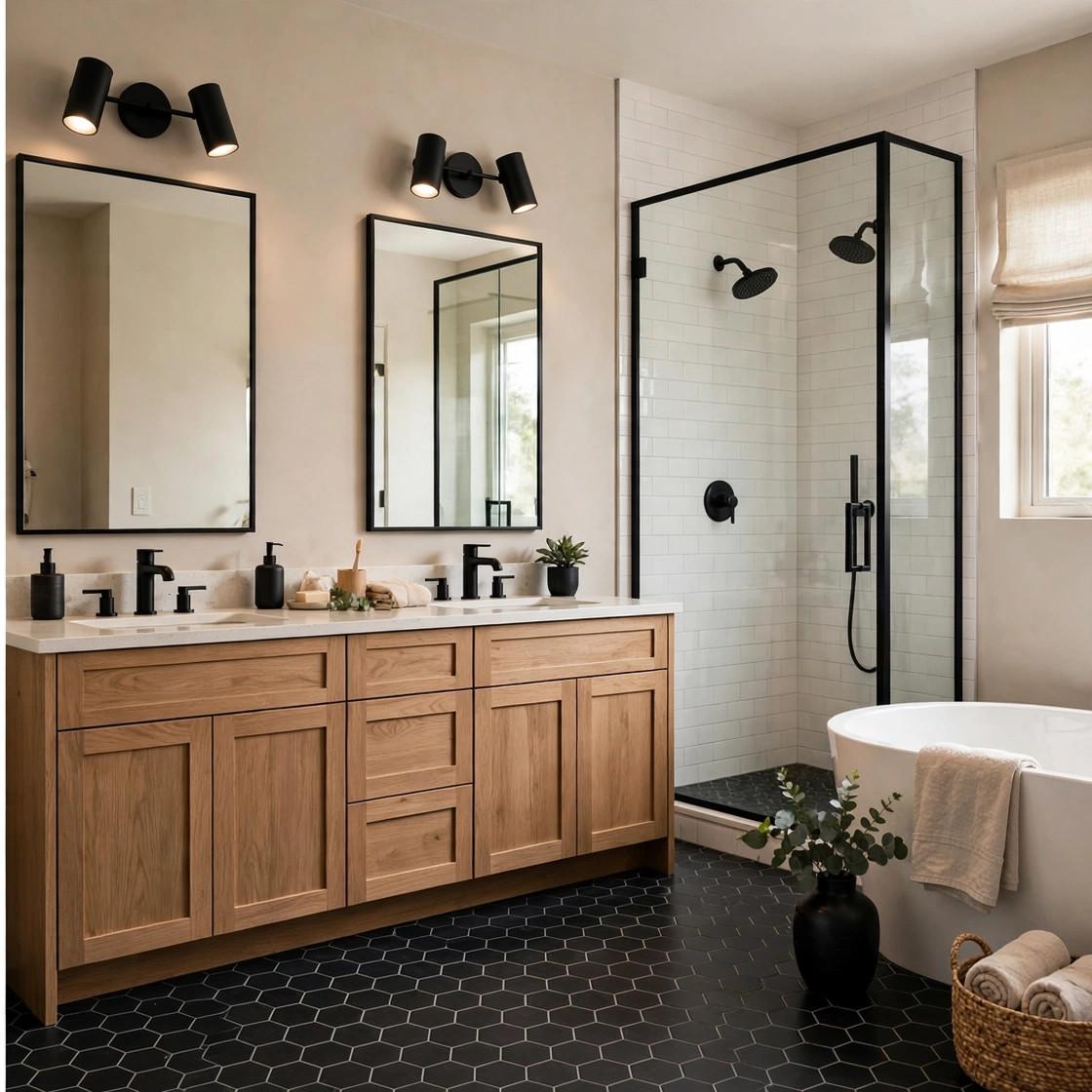
In a 5' x 8' hall bath — the most common layout in Twin Cities ramblers and split-levels — a 60" tub eats the entire wall and leaves a cramped room. Replacing it with a 36" x 48" shower opens up floor space and makes the room feel noticeably bigger. For small bathrooms, the walk-in shower is usually the better design answer, full stop.
Three questions to decide
- Is this the only tub in the house? If yes, keep it unless you are certain you will never sell to a family. If no, convert freely.
- Who uses this bathroom in five years? Kids under 8 argue for a tub. Anyone over 60 — or anyone planning to stay — argues for a curbless shower.
- What does the budget allow done right? A cheap tile shower fails; a well-built one lasts decades. If the budget only stretches to a prefab insert, that is a legitimate option — just know what you are getting versus custom tile.
Answer those three and the decision usually makes itself. And whatever you choose, the waterproofing underneath matters more than the fixtures on top — that is the part you never see and the part that fails first when it is done wrong.
Thinking about this project?
Send us a few details and photos — we'll reply with a free, no-pressure estimate.
Common questions
Does removing a tub hurt resale value?
Removing the only tub in the house can narrow your buyer pool — families with small children specifically look for at least one bathtub. If the home has another full bath with a tub, converting one tub to a walk-in shower is generally neutral or positive for resale in the Twin Cities market.
Which is cheaper: a walk-in shower or a new tub?
A tub replacement is almost always cheaper. The plumbing and footprint already exist, and an acrylic tub installs in a day or two. A custom tile walk-in shower involves full waterproofing, wall tile, floor tile and often glass — more materials and several more days of skilled labor. Typical Twin Cities ballparks: tub swap $2,500–$6,000; custom tile shower $8,000–$18,000+. Every project varies.
Curbless shower or shower with a curb?
Curbless (zero-entry) is better for accessibility, cleaning and the modern look, but it demands precise slope work — the entire floor must pitch to the drain, which sometimes means recessing the subfloor. A low curb (2–4") is more forgiving to build and still contains water well. Either way, the waterproofing membrane underneath is what actually prevents leaks.
Can I have both a shower and a tub in a small bathroom?
In a standard 5' x 8' bathroom, fitting both usually means compromises that hurt both — a tiny tub and a cramped shower. The exception is a wet-room layout, where the whole room is waterproofed and the tub sits inside the shower zone. That works, but it costs more and needs careful drainage planning. Most small bathrooms are better served by committing to one.